Series: Camping with God. Chapter 6– The Break From Heaven
Humility – 4
A thorn in the flesh was given to me… lest I be exalted above measure. 2 Corinthians 12:7).
After faith, the first lesson God begins to teach is humility. Pride which is the opposite of humility—whether through self-deification, self-rule, or self-worship—is the great barrier to spiritual growth. Faith opens the door, but humility keeps us there. And humility cannot be cosmetic—it must be formed deep within.
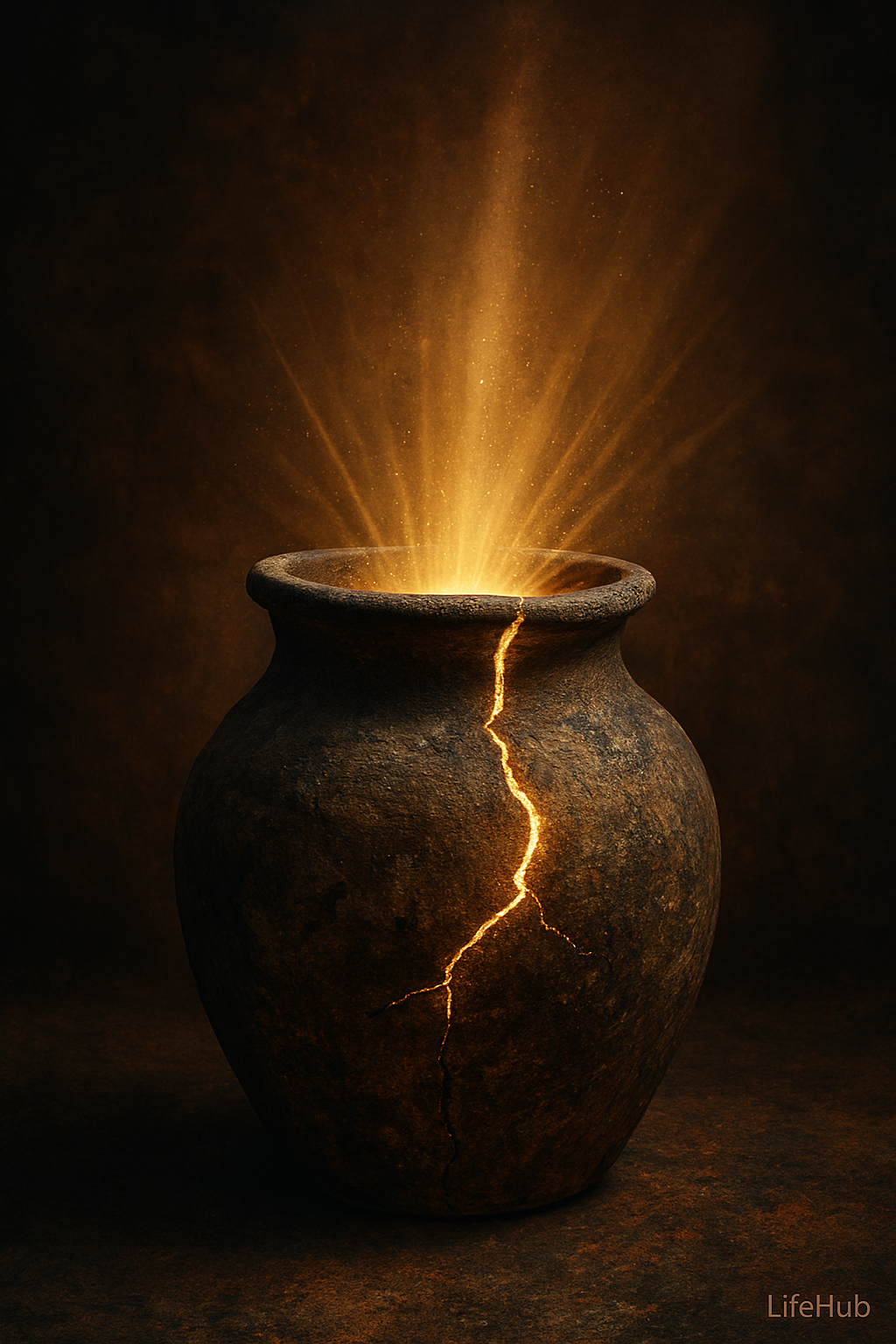
God has a way of shaping this in us. He allowed Israel to hunger—not to harm them, but to humble them. He permits weakness, not to break us down, but to break the old man—the carnal self that depends on its own strength. Through trials, God teaches us dependence. Through weakness, He teaches us worship.
Why does God allow weakness? Why does He permit seasons of struggle, moments of crisis, and years of waiting? It is because He is at work—dethroning pride and drawing us into surrender.
Have you noticed how people respond when something big strikes their life? Suddenly, they begin to pray. They ask others to pray. They reach out to pastors, prayer towers, and communities of faith. But until then—when the problem is small or manageable—they may not even mention it. Because self-dependence is still alive.
As long as we are self-sufficient, we do not feel the need for God. We do not cry out. We do not lean in. But when the weight becomes unbearable, when the flesh fails, when the old man breaks—that is when the cry rises. That is when worship begins.
There is no middle ground in Scripture. Jesus said, “…he who does not gather with Me scatters” (Luke 11:23).
We are either dependent on God or dependent on self. Anything apart from God is self-dependence. And self-dependence is the root of pride.
God allowed Israel to remain in Egypt—not because He could not deliver them earlier, but because He was preparing their hearts. He allowed them to hunger in the wilderness—not to harm them, but to humble them. He allowed years of weakness so that they would cry out. And in their cry, He revealed His grace.
Paul understood this divine pattern.
He said, “A thorn in the flesh was given to me… lest I be exalted above measure” (2 Corinthians 12:7).
He had received extraordinary revelations—visions of heaven, insights beyond human comprehension. But God knew the danger of pride. So He allowed a thorn. Paul prayed three times for it to be removed. But God answered, “My grace is sufficient for you, for My strength is made perfect in weakness.”
Paul did not resent the thorn. He recognized its purpose—to keep him grounded, to keep him dependent. God used weakness to protect Paul from pride and to teach him humility.
This is the mystery of grace: God allows weakness so that we may know His strength. He permits brokenness so that we may cry out. He delays deliverance so that we may learn dependence.
So if you are in a season of weakness, do not despair. God is not punishing you—He is preparing you. He is breaking the old man, the throne of pride, the illusion of self-rule. And out of that breaking, He is drawing you into deeper dependence.
Let your weakness lead to worship. Let your struggle lead to surrender. For in your inability, His grace will be enough. And in your dependence, His power will be revealed.
Amen